Across Rwanda’s ICT sector, connecting underutilised talent to open roles may be the most overlooked competitive advantage available to employers today
Rwanda’s ICT sector faces a familiar paradox: the Rwanda ICT Chamber’s network of more than 300 member companies regularly reports skills shortages, even as unemployment and underemployment remain stubbornly high, particularly among youth. The reason is not a lack of talent, it is that structural filters in traditional recruitment routinely screen out capable people before their skills are ever assessed. Women navigating a persistent gender gap within the ICT sector, refugees among the more than 130,000 people Rwanda hosts who hold the legal right to work, persons with disabilities, youth from disadvantaged communities, and individuals who have completed criminal sentences are all routinely bypassed by hiring processes that were never designed with them in mind. Inclusive hiring is the systematic removal of those filters not the lowering of standards, but the raising of the quality of the assessment itself.
Inclusive hiring is not a social programme. It is a business-oriented approach that focuses on skills, potential, and performance.
The business case is concrete and well evidenced, and Rwandan employers are increasingly seeing it firsthand. Companies that implement structured inclusive hiring practices report measurable gains in workforce stability, because retention among well onboarded hires from vulnerable groups is frequently comparable to and sometimes higher than that of traditional hires. Turnover is one of the most underestimated operational costs in any company. Every avoided departure reduces recruitment spend, preserves institutional knowledge, and improves continuity of service. At the same time, diverse teams bring a wider range of lived experience that sharpens error detection, improves user alignment, and strengthens risk awareness advantages that translate directly into service quality for Rwanda’s ICT and service-sector firms.
Inclusive hiring also changes a company’s competitive position in ways that are increasingly difficult to ignore, especially as Rwanda positions itself as East Africa’s ICT hub. International clients, supply chain partners, and development-finance institutions are asking harder questions about employment practices through ESG audits and procurement standards, and Rwandan firms pursuing partnerships with German and other international companies are already feeling that shift. Companies that can demonstrate genuine inclusion are better positioned to win contracts, access new markets, and build long-term partnerships. Meanwhile, employer reputation affects the quality of every applicant pool: organisations perceived as fair attract a broader and more motivated pipeline, which reduces time to hire and lowers recruitment costs, a compound advantage in Rwanda’s tight ICT labour market.
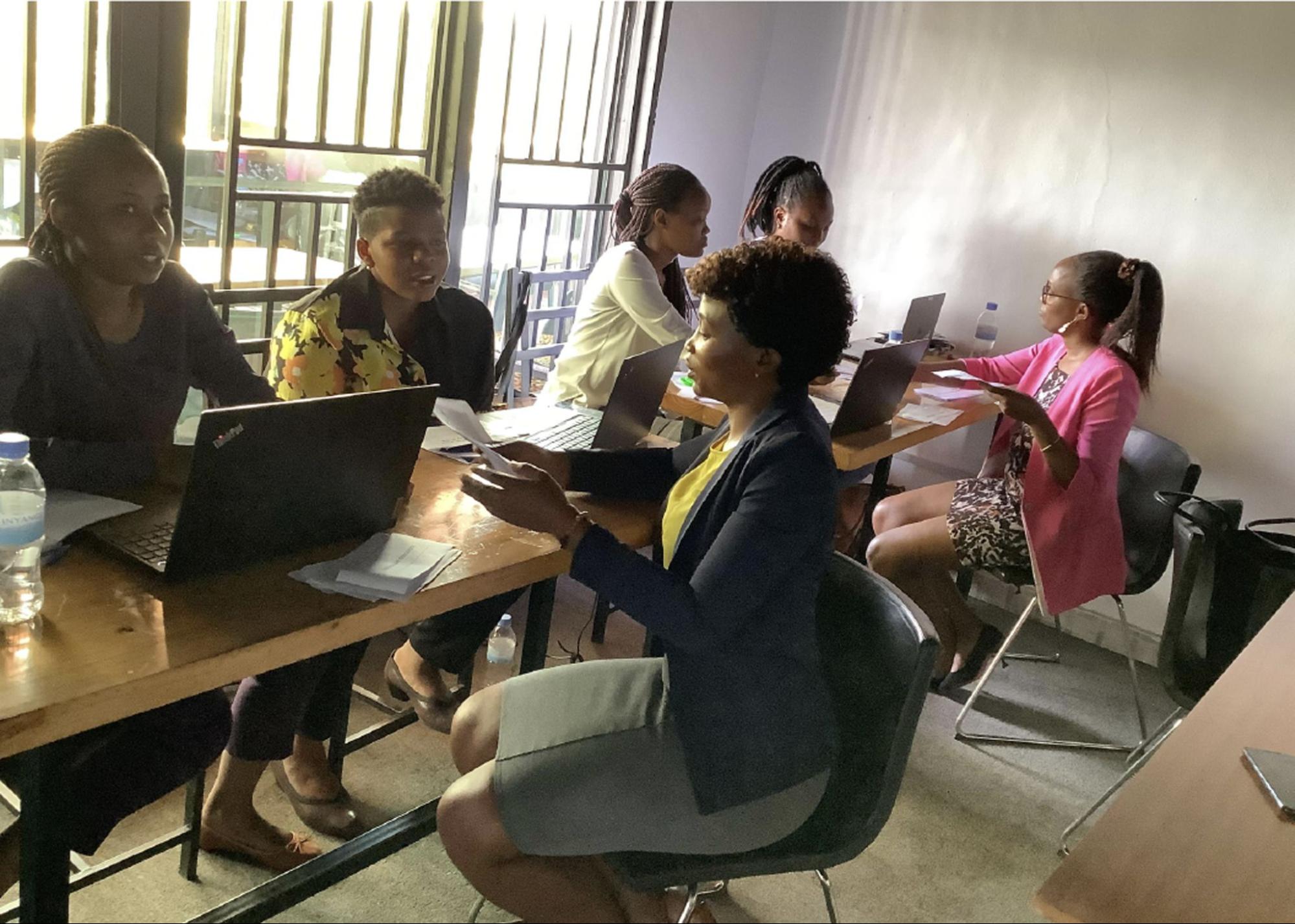
Implementation is not complicated, but it does require intentionality. The process starts with workforce planning distinguishing the essential requirements of a role from the traditional filters that have accumulated around it. It continues through skills based job descriptions, structured interviews, and work-sample assessments that predict performance far more accurately than credential screening alone. Probation periods become controlled testing phases with clear feedback loops. Accommodations, most of which are low cost or cost neutral, are discussed early and confidentially. The result is a hiring pipeline that is faster, more accurate, and less prone to costly early attrition.
How AIPI For All Is Putting This Into Practice in Rwanda
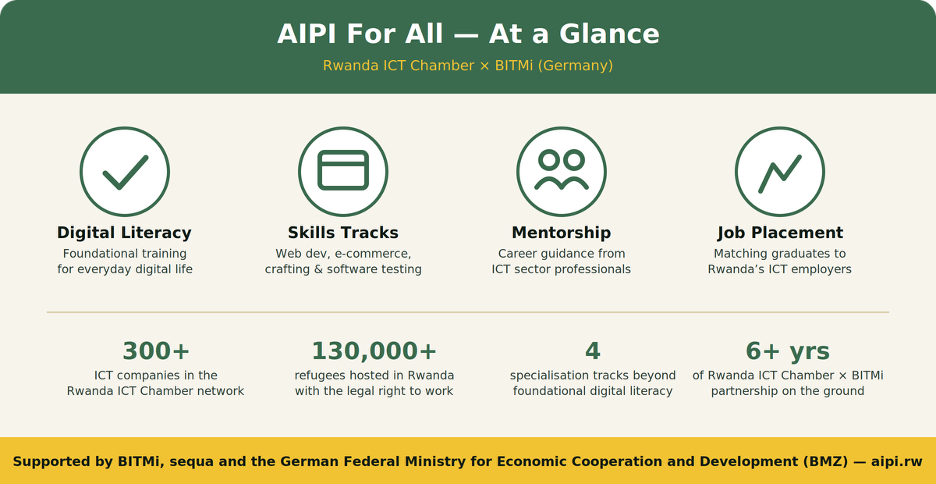
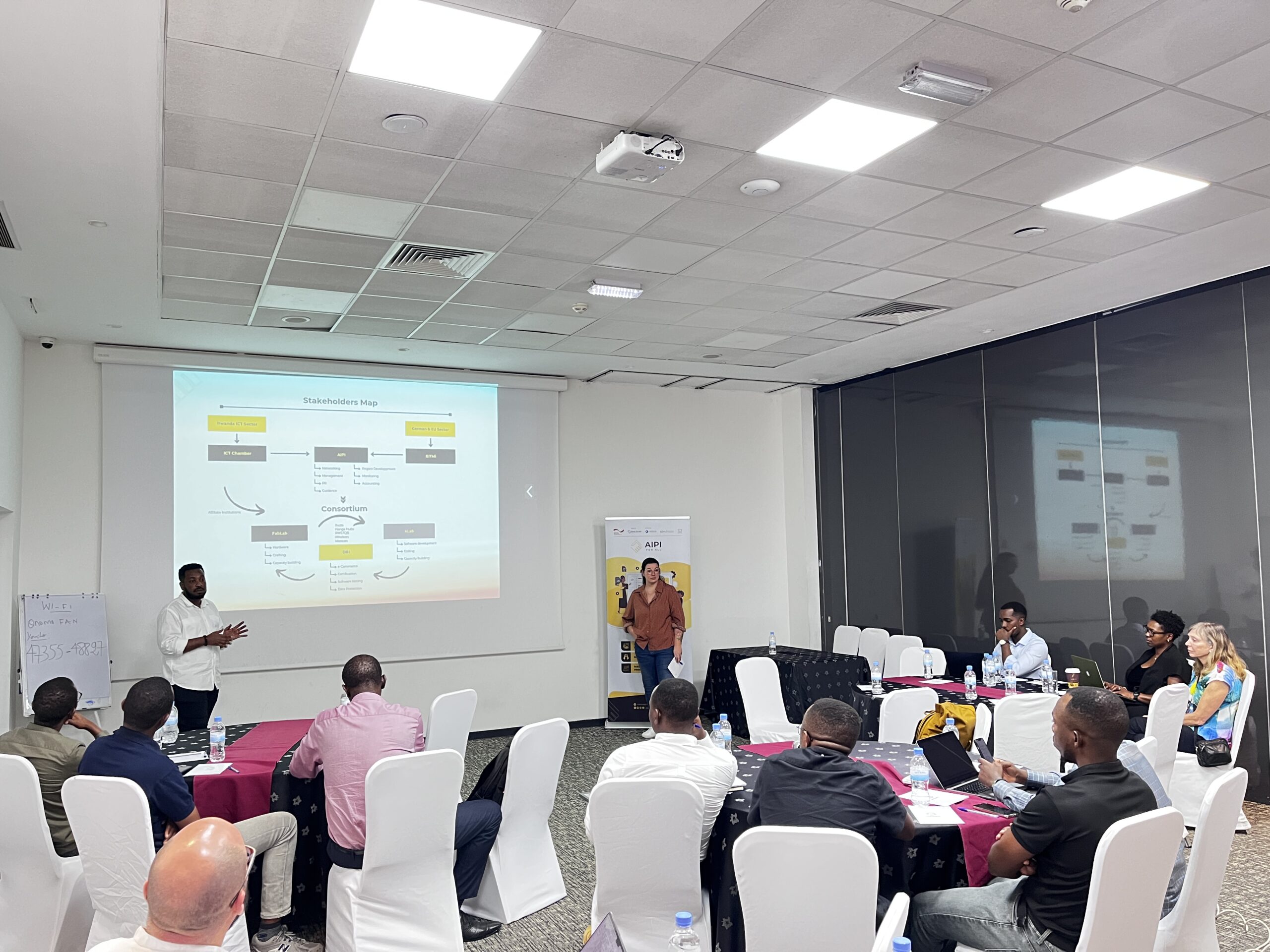
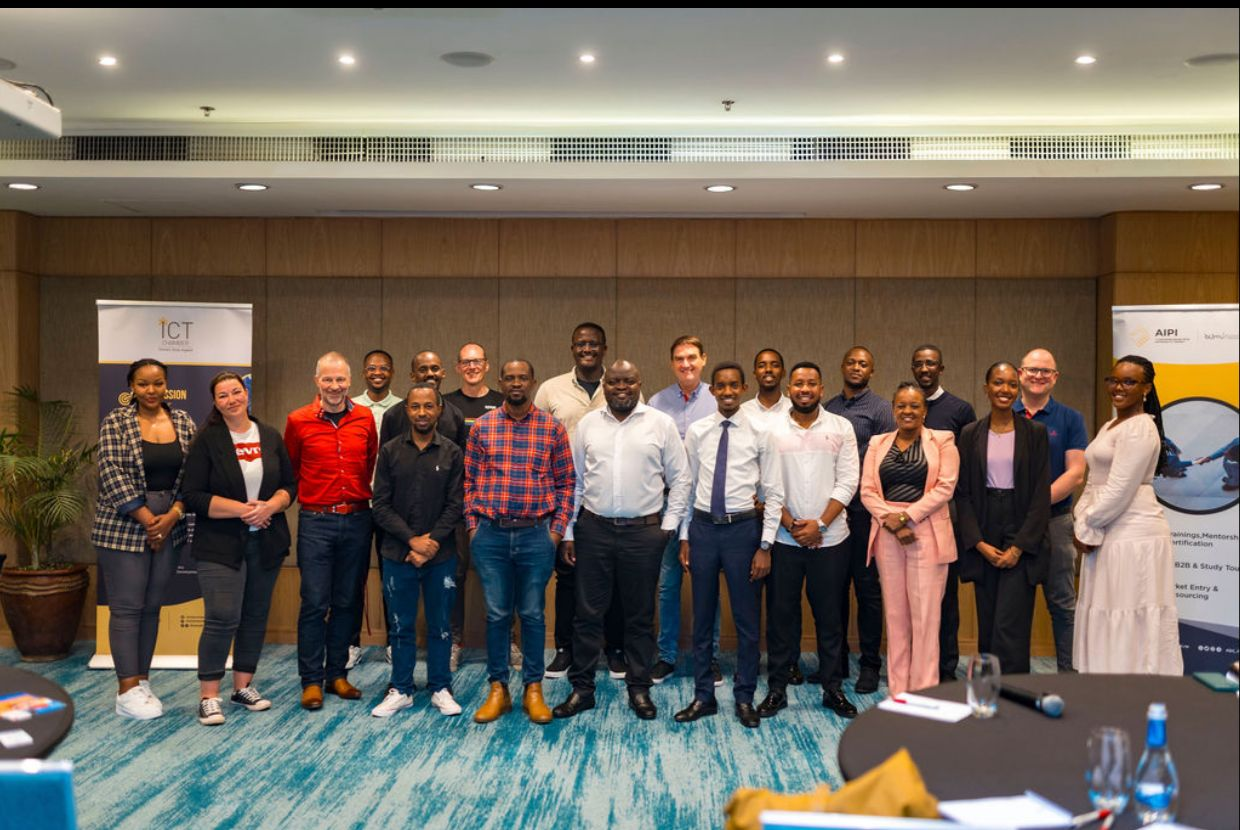
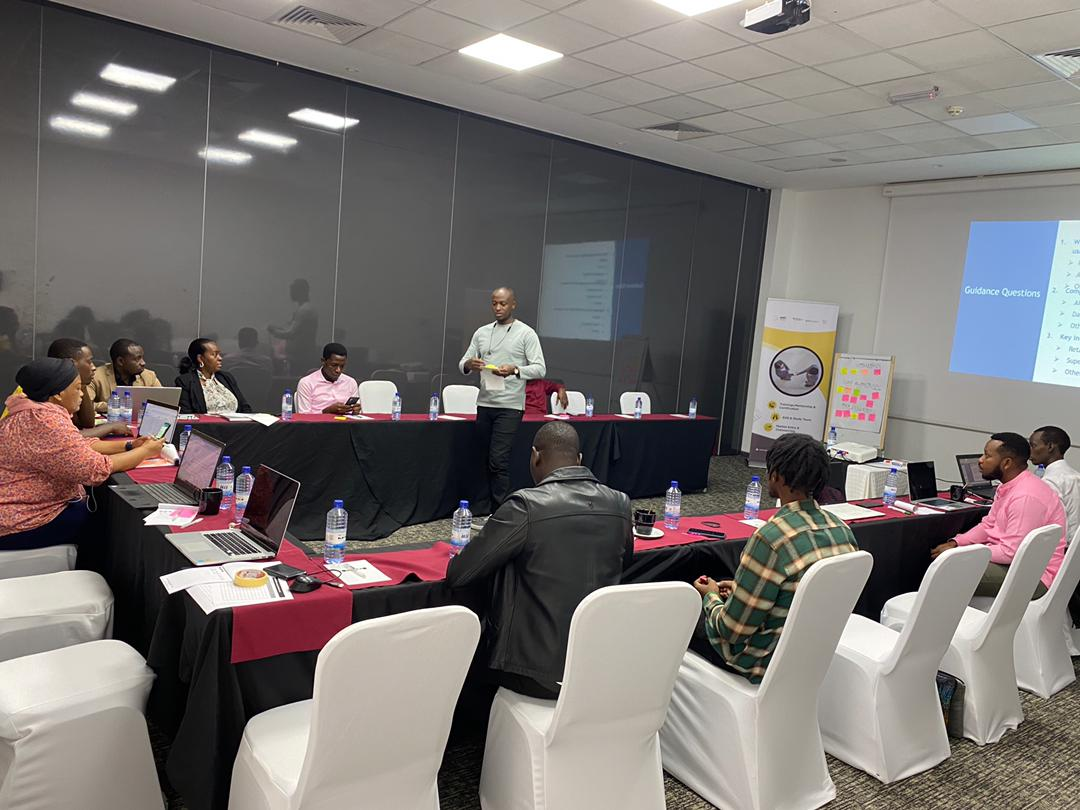
This is not a theoretical exercise in Rwanda. Access International Partnerships in IT (AIPI For All) is a partnership between the Rwanda ICT Chamber and Bundesverband IT-Mittelstand e.V. (BITMi), the German association representing small and medium-sized IT enterprises. Built on two earlier pilot projects spanning more than six years, the initiative is supported by Germany’s Federal Ministry for Economic Cooperation and Development (BMZ) through the sequa-managed Invest for Jobs special initiative. Its mandate is twofold: deepen business cooperation between the Rwandan and German ICT ecosystems, and integrate vulnerable groups, including women, refugees, youth, and people with disabilities, into the digital economy.
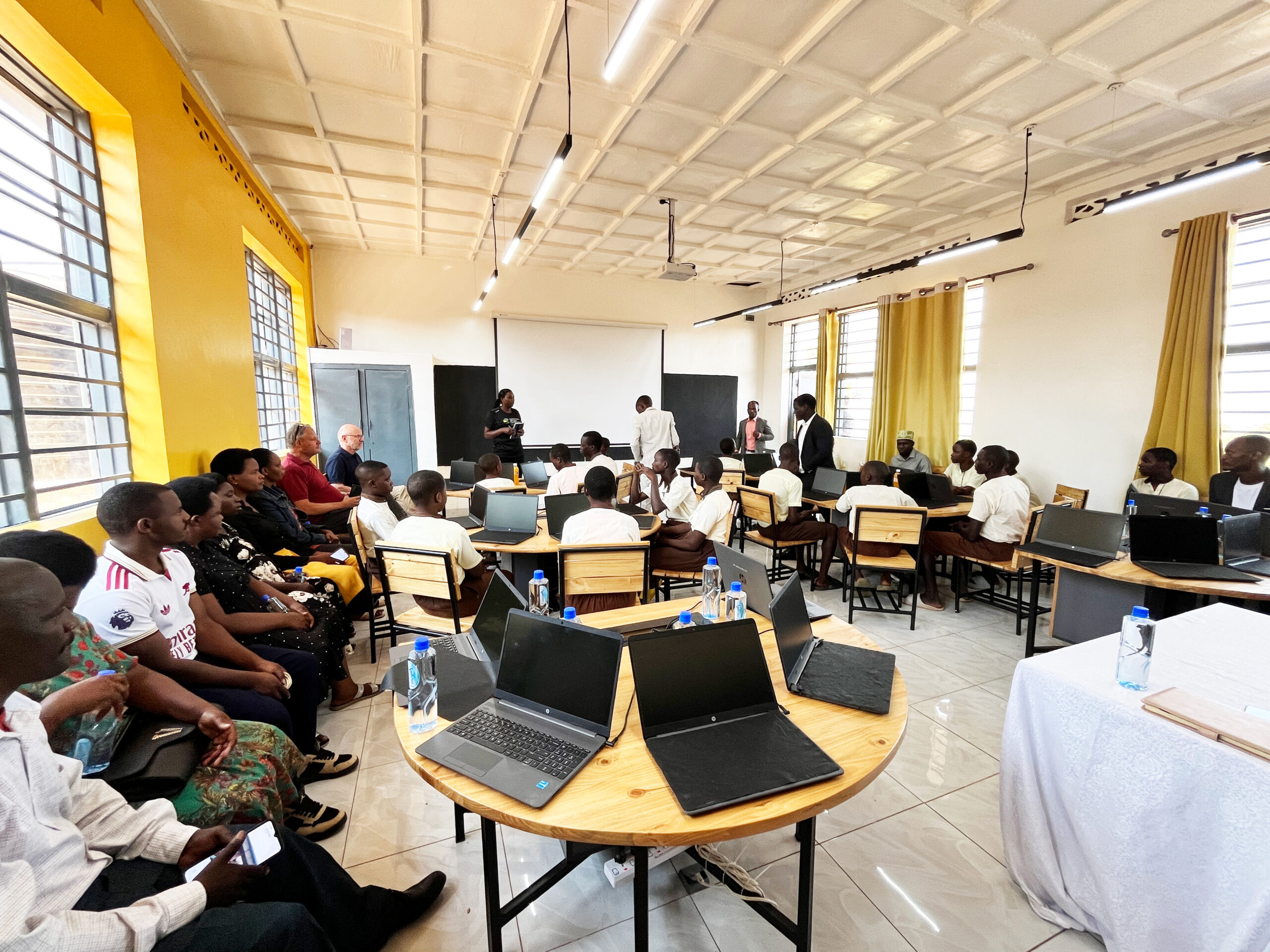
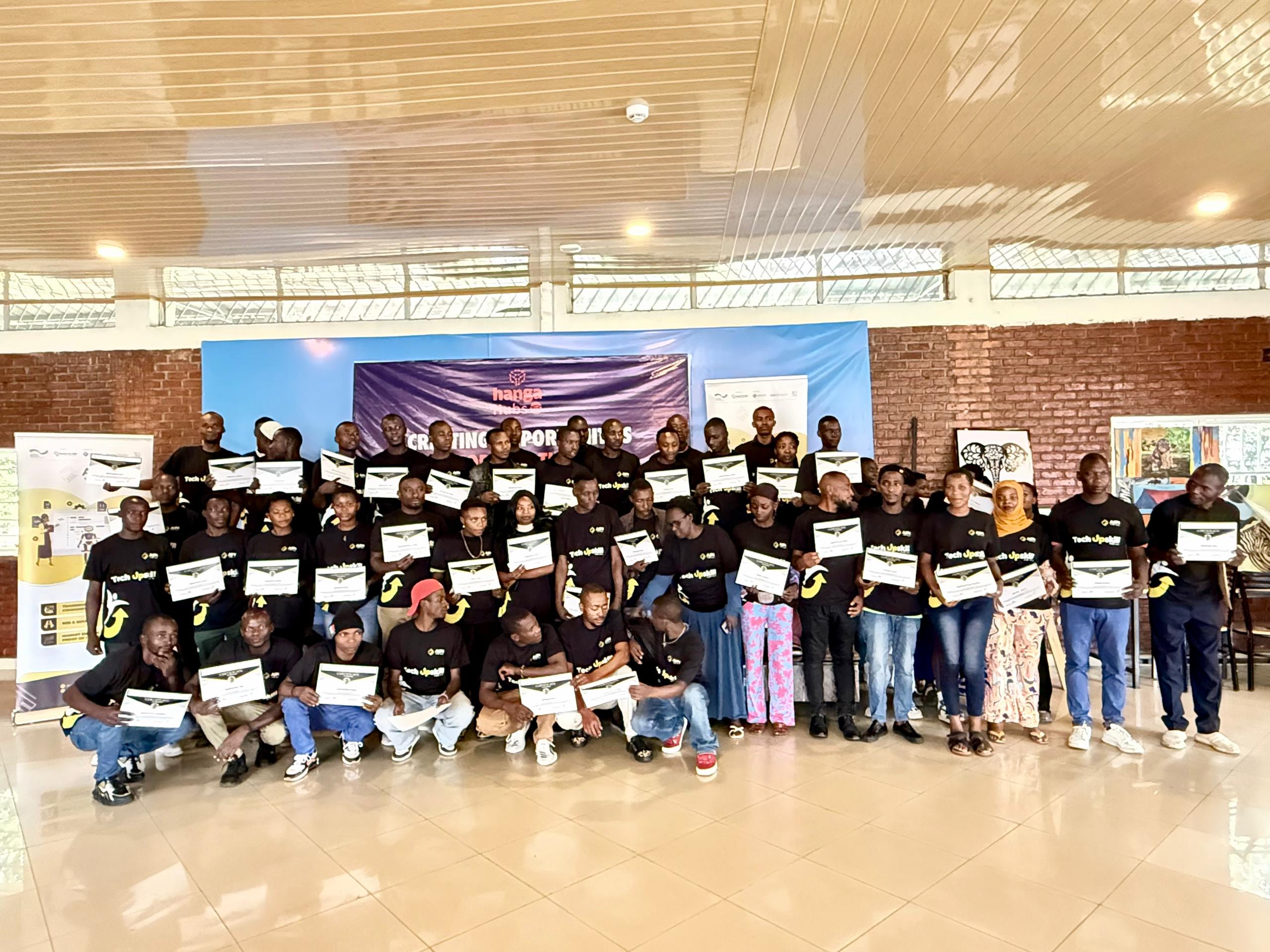
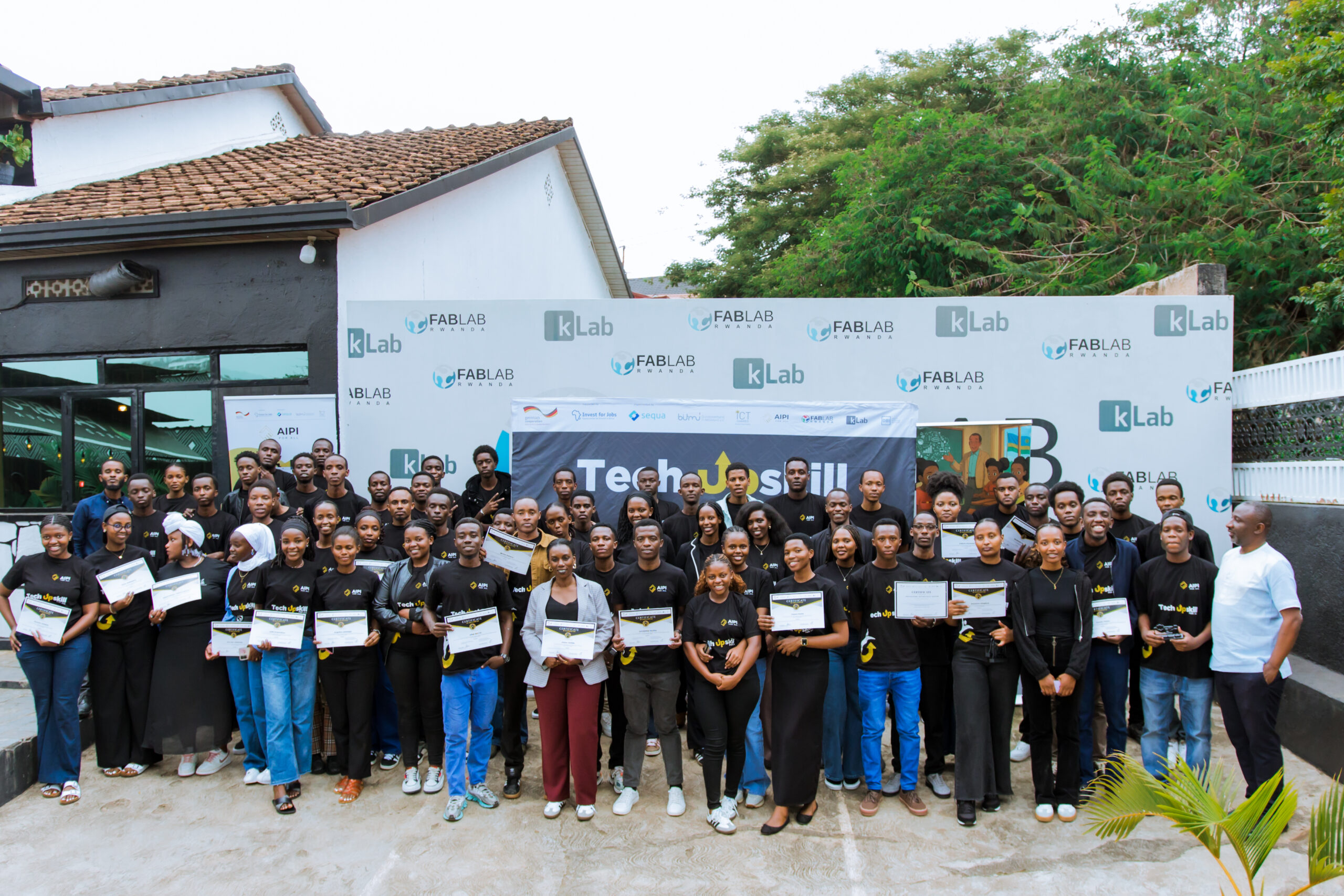
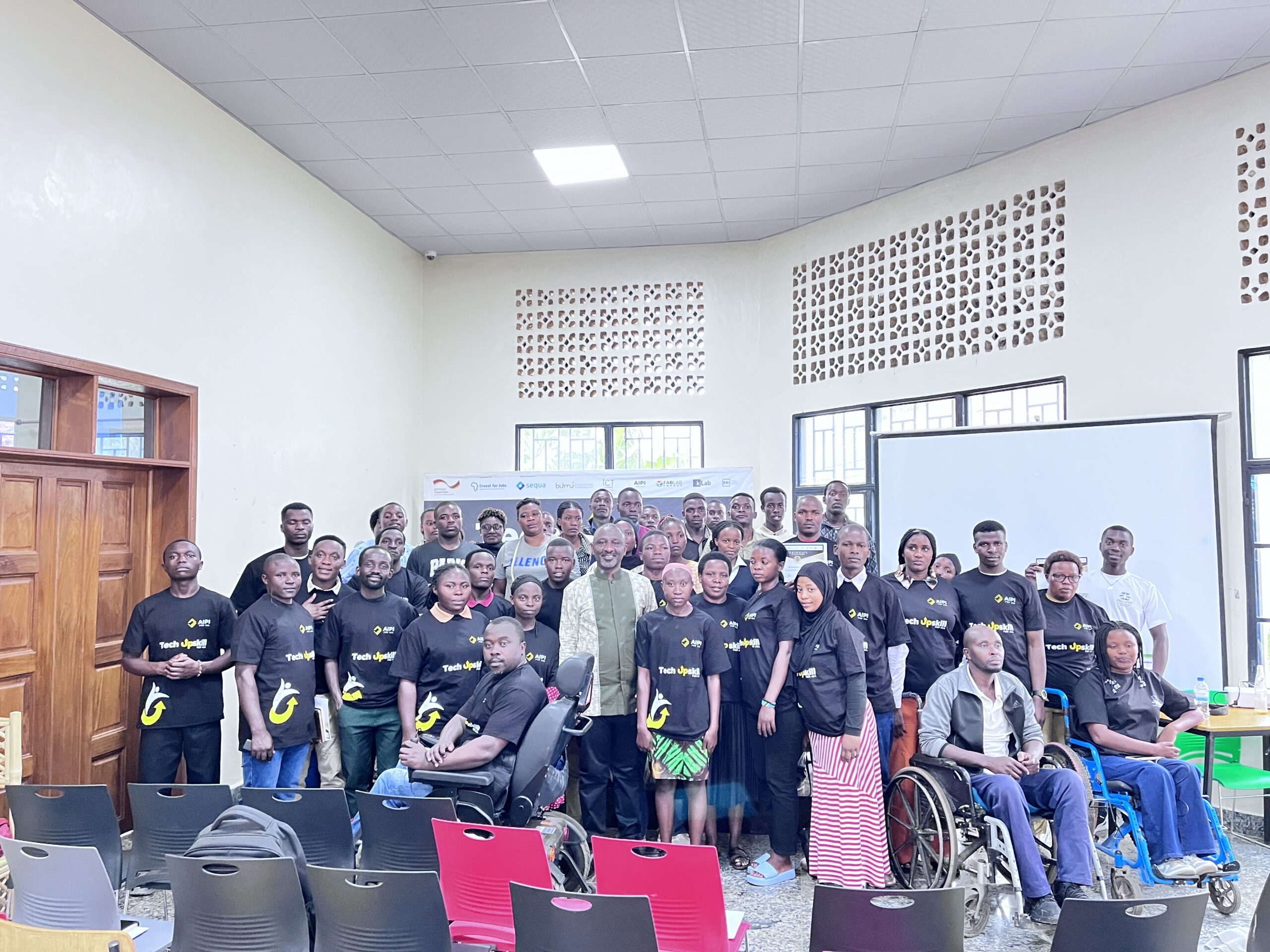
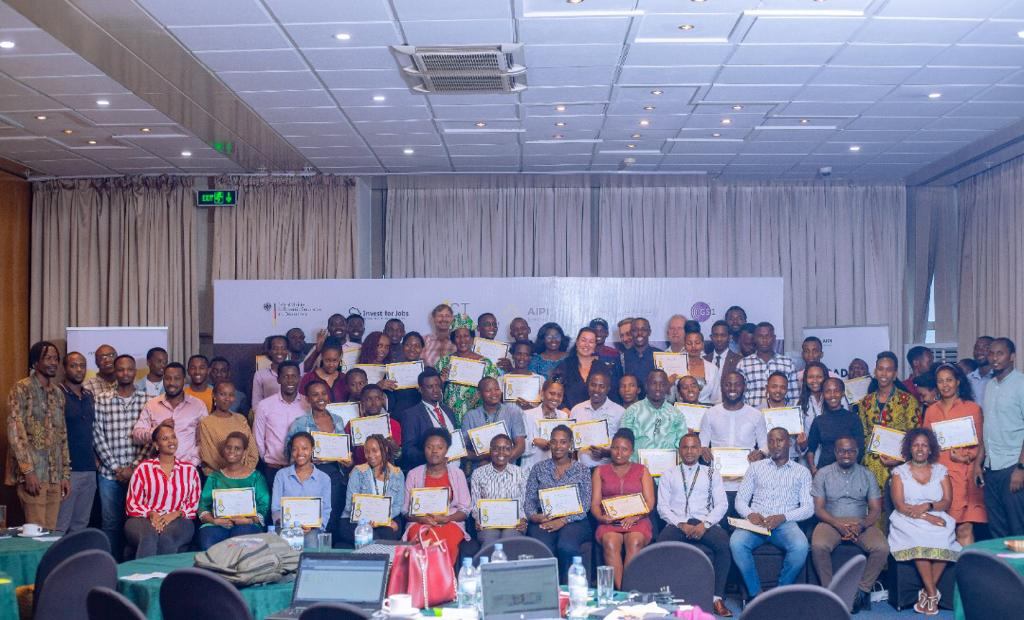
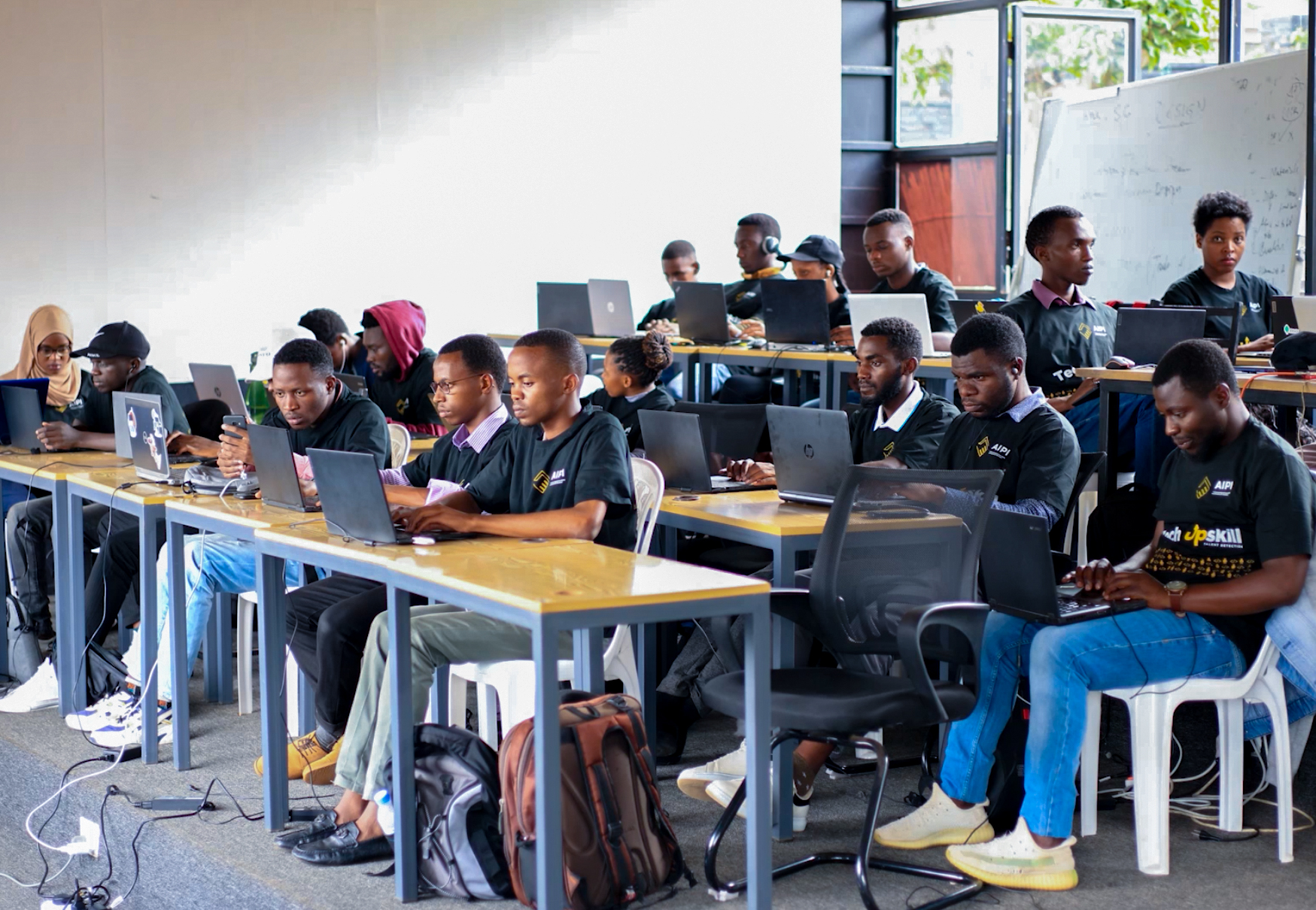
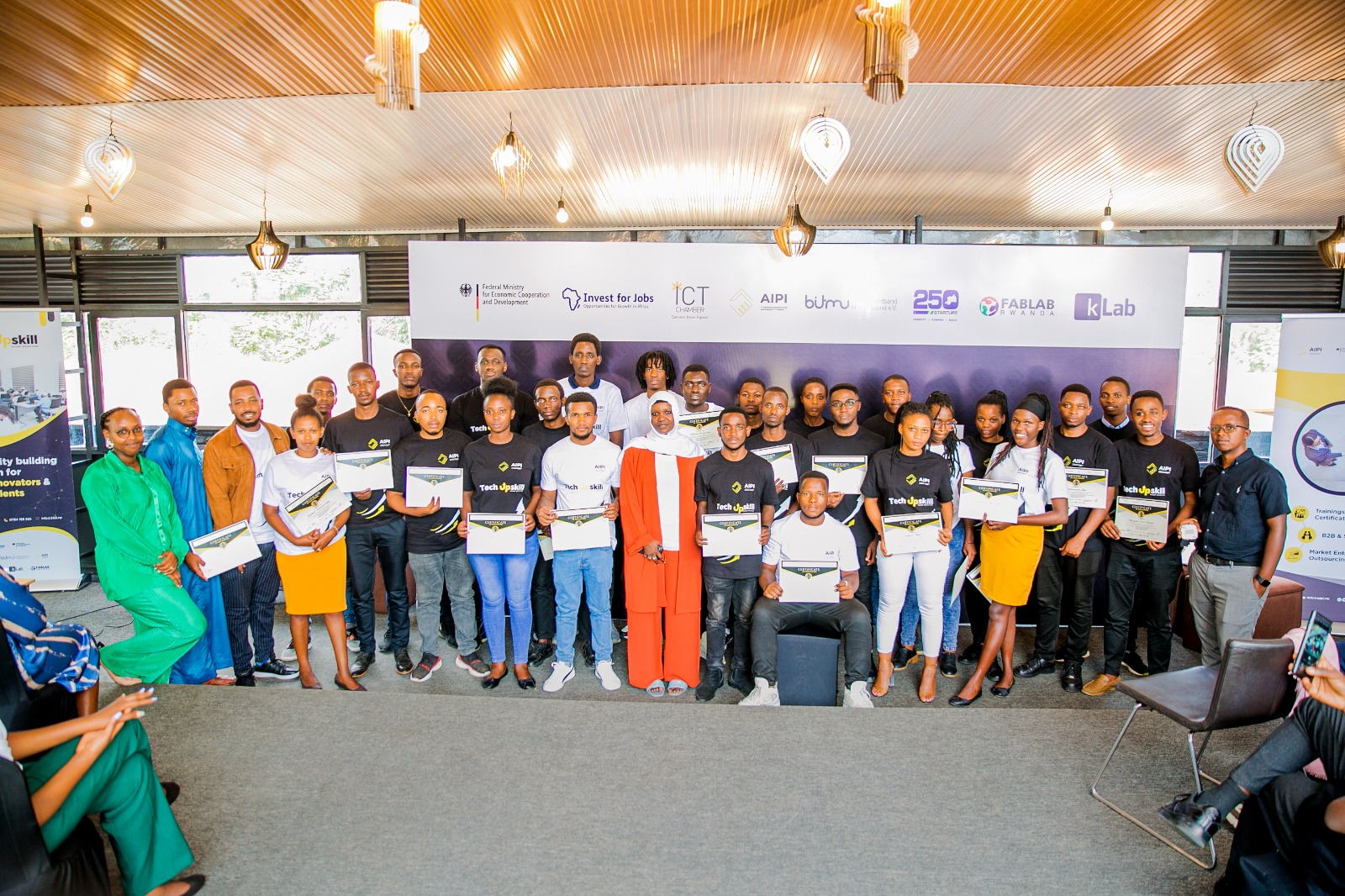
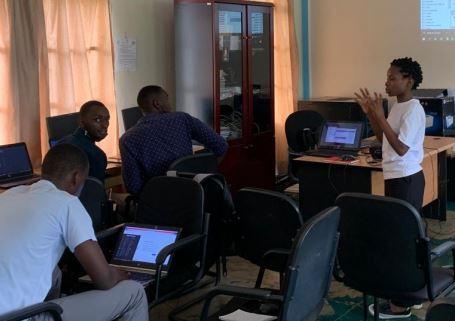
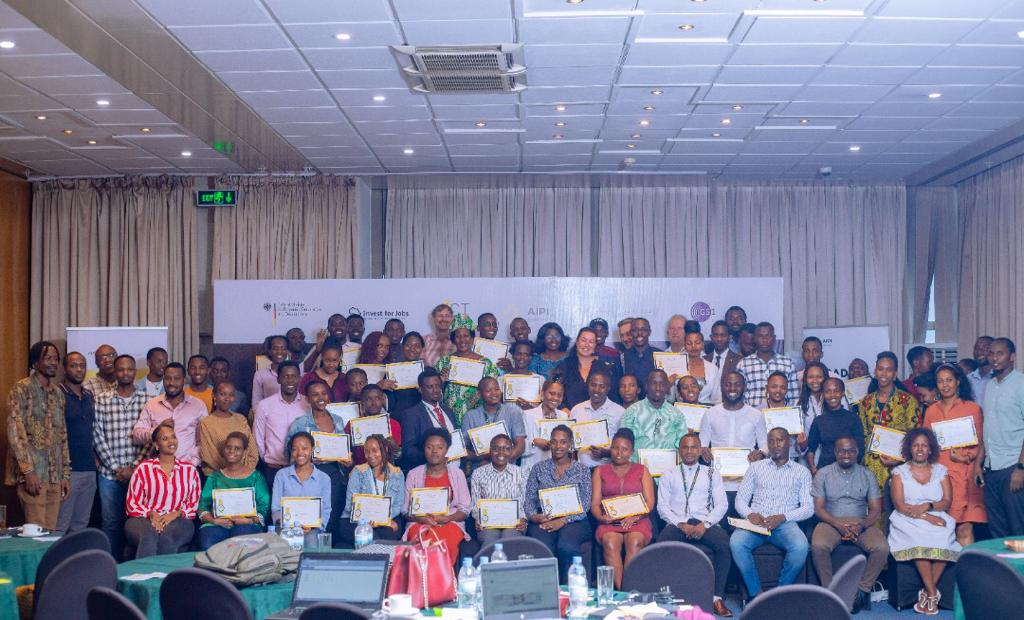
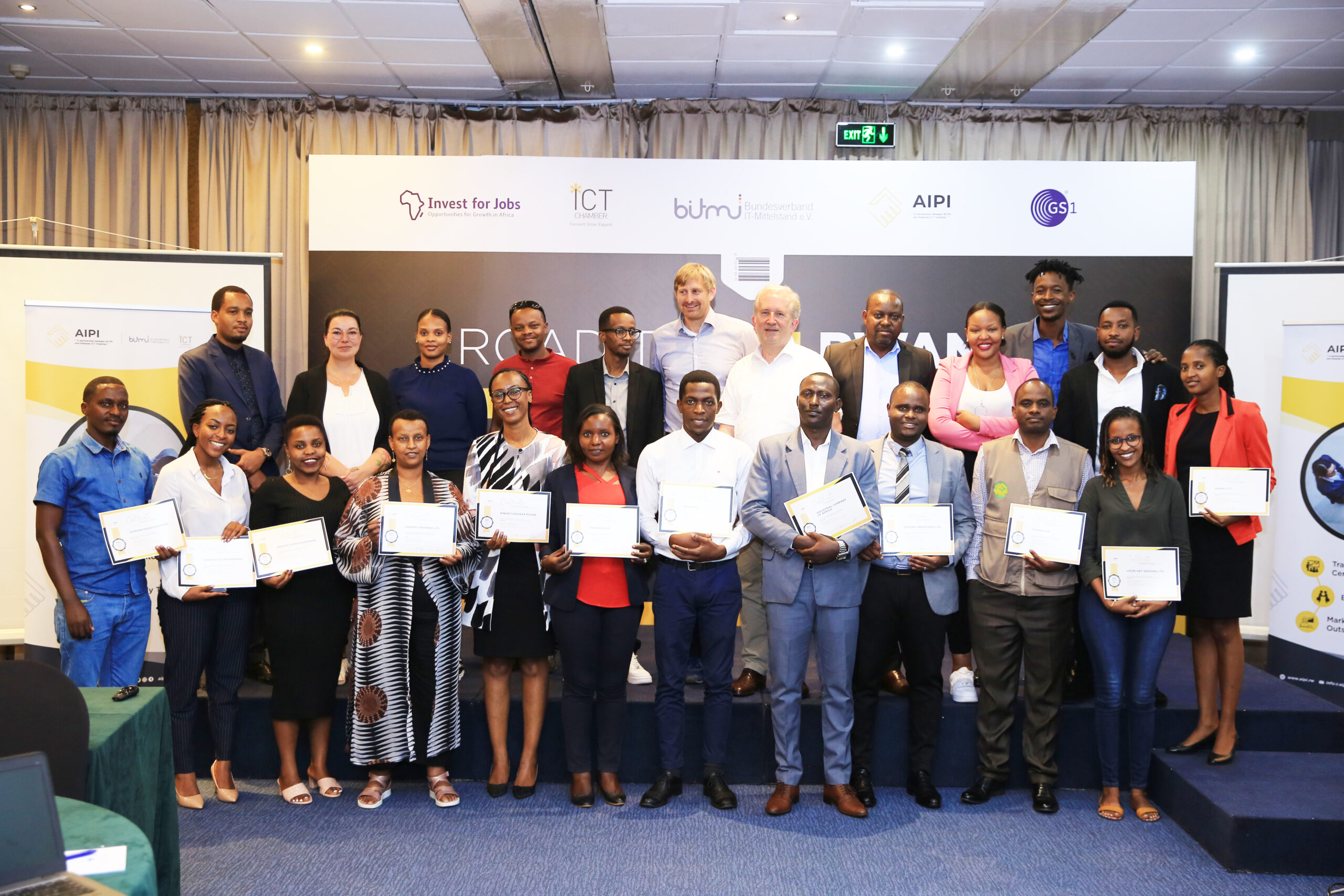
On the ground, that mandate translates into a structured pathway rather than a one-off training course, the same skills-first approach that the business case for inclusive hiring calls for. Participants begin with foundational Digital Literacy training before specialising in website development, software testing, e-commerce, or digital crafting. Mentorship and career guidance from ICT sector professionals follow, and an employment service then connects graduates to vetted employers, lowering the search and screening cost for companies on the other side of the hiring table. Earlier this year, the programmer’s first Champions of Change cohort completed this pathway at Hanga Hub Rubavu, graduating with both a credential and a network of institutional partners, including the Rwanda National Police and Rubavu District, invested in their next steps.
Rwanda’s policies promote inclusive employment by supporting equal access to work for refugees, women, and persons with disabilities. Organizations such as the Rwanda ICT Chamber, AIPI For All, DBI, kLab, and FabLab help connect employers with skilled, diverse talent. Inclusive hiring is not only a social responsibility but also a smart business strategy that strengthens competitiveness.